Measure Your Fitness Progress Without Focusing on Weight

Measure Your Fitness Progress Without Focusing on Weight
For many Canadians, stepping on the scale becomes the main way to track fitness progress. But that number only tells part of the story. Your body changes in ways that can’t always be measured in pounds or kilograms. If you want a more realistic and motivating picture of your progress, it’s worth looking at other signs of improvement. Here’s how you can follow your fitness journey without letting the scale define your success.
Strength and Endurance – Feel the Difference
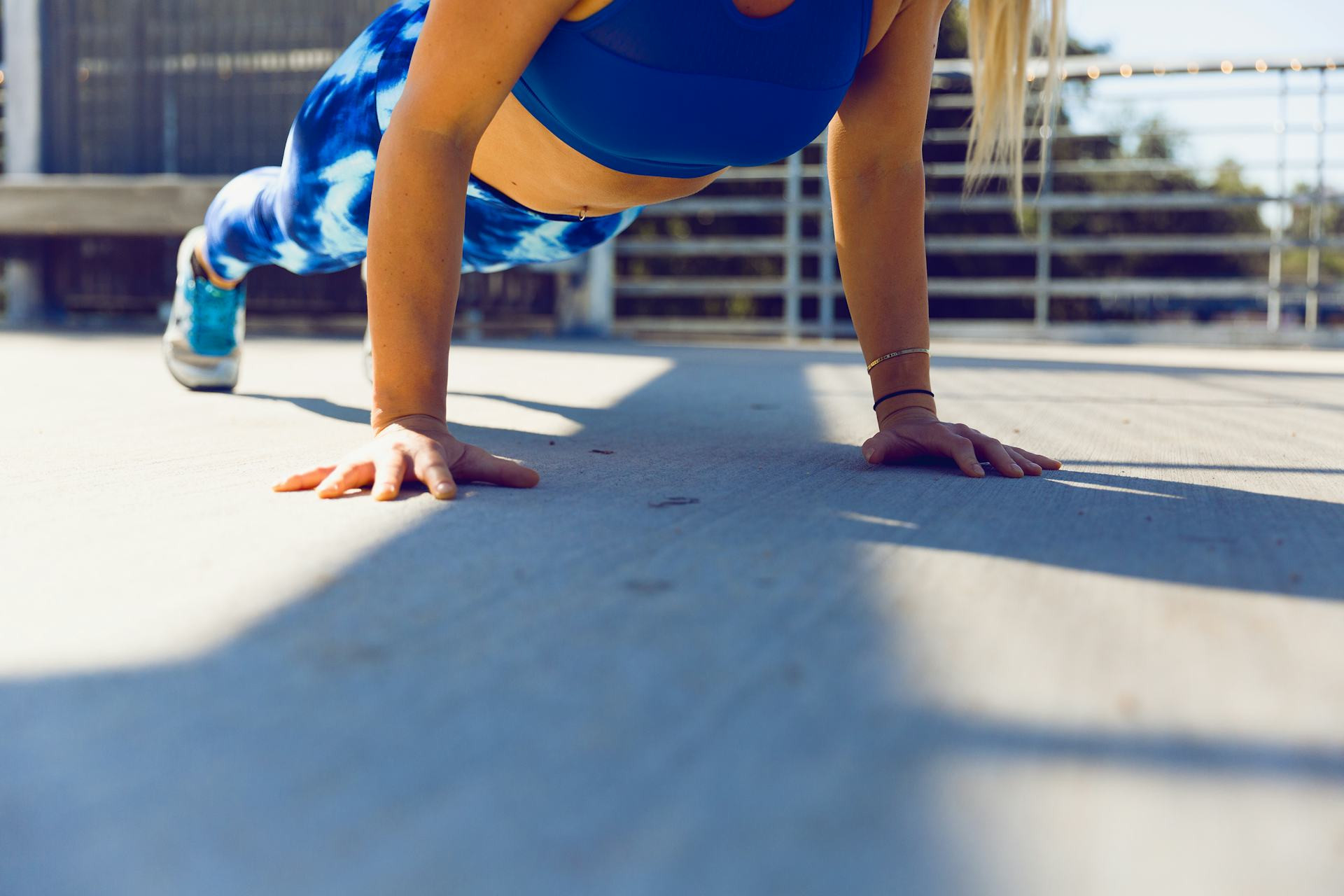
One of the clearest indicators of progress is how your body performs. Maybe you can lift heavier weights, do more push-ups, or hike longer without feeling winded. These are concrete signs that your body is adapting to your workouts.
Try keeping a simple training log. Write down how many reps you complete, how far you run, or how long you can hold a plank. When you see those numbers improve over time, you’ll have solid proof that you’re getting stronger—no scale required.
Energy and Everyday Well-Being
Fitness isn’t just about performance; it’s also about how you feel day to day. Many people notice they have more energy, sleep better, and feel less stressed when they exercise regularly. These are important signs of progress, even if they don’t show up in a mirror or on a scale.
Pay attention to how your body and mind respond. Do you wake up feeling more refreshed? Are you more focused at work or school? These subtle changes are meaningful indicators that your efforts are paying off.
Clothing, Posture, and Confidence
Even if your weight stays the same, your body composition can change dramatically. Muscle takes up less space than fat, so your clothes may start to fit differently. You might notice better posture, more toned arms, or a stronger core—all signs of progress that the scale can’t capture.
Consider taking progress photos every few months—not to judge yourself, but to celebrate your development. It’s often easier to see changes in pictures than in the mirror day to day.
Læs også:



Recovery and Sleep – The Hidden Gains
An often-overlooked sign of improvement is how quickly your body recovers. At first, you might feel sore for days after a workout, but as your fitness improves, you’ll bounce back faster. That’s your body becoming more efficient and resilient.
Regular exercise also tends to improve sleep quality. If you fall asleep more easily and wake up feeling rested, that’s a clear sign your body is adapting well to your new routine.
Motivation and Joy in Movement
When you stop letting the scale dictate your progress, you open the door to enjoying movement for its own sake. Maybe you start looking forward to your workouts because they clear your mind or give you a sense of accomplishment. That kind of intrinsic motivation is far more sustainable than chasing a number.
Set goals that focus on experience and growth—like running a local 5K, mastering a new yoga pose, or biking to work a few times a week. These goals build confidence and satisfaction that go far beyond weight.
A Holistic Approach to Health
Measuring fitness progress ultimately means seeing your body as a whole. Health isn’t just about weight—it’s about strength, energy, balance, and joy. When you focus on how you feel and what you can do, rather than what you weigh, fitness becomes a source of empowerment instead of pressure.
So next time you think about stepping on the scale, ask yourself instead: Do I feel stronger, happier, and more balanced than before? If the answer is yes, you’re already making meaningful progress.
Læs også: