From Youth to Adulthood: Women’s Relationship with Sports Throughout Life

From Youth to Adulthood: Women’s Relationship with Sports Throughout Life
Women’s connection to sports evolves throughout life. From the playful energy of childhood and the competitive spirit of adolescence to the balancing act of adulthood and the mindful movement of later years, sport often remains a thread that ties together different life stages. Yet, the meaning and motivation behind participation shift as women grow and their priorities change.
The Early Years – Identity and Belonging
For many girls in Canada, the first encounter with sport happens at school or in community programs. These early experiences are often about fun, friendship, and discovering what the body can do. In the teenage years, sport can become a key part of identity – a space to express oneself, build confidence, and find belonging.
However, this is also the stage where many girls drop out of organized sports. Studies from organizations like Canadian Women & Sport show that girls are more likely than boys to stop participating during adolescence. Pressures related to body image, performance expectations, and social dynamics can make it difficult to stay engaged. Positive role models, supportive coaches, and inclusive environments are crucial to keeping girls active and confident.
Adulthood – Finding Balance Through Movement
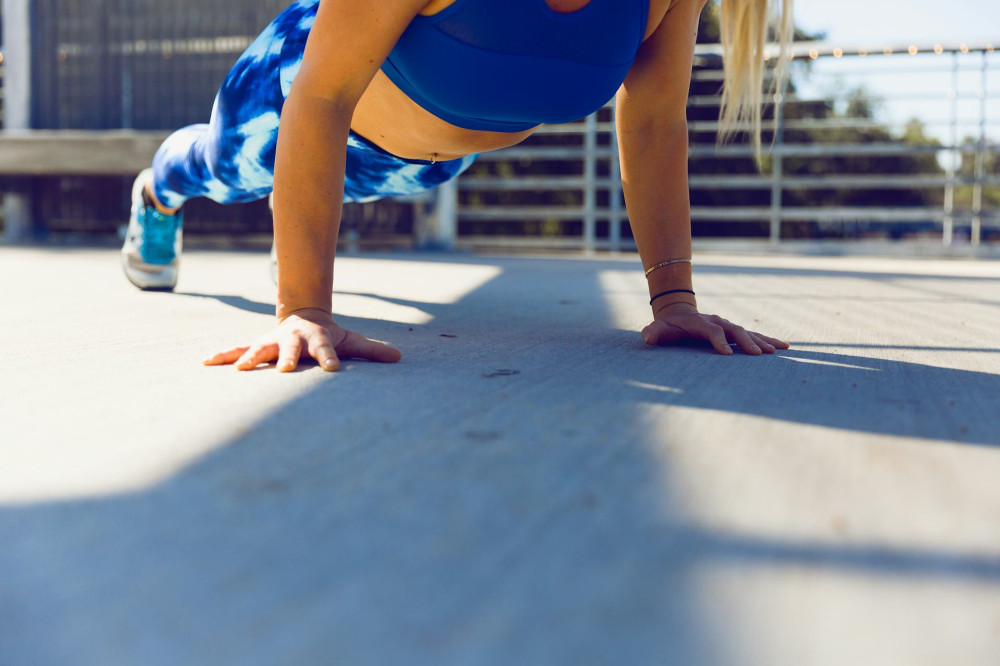
As women enter adulthood, the role of sport often changes. University studies, career demands, and family responsibilities can make it challenging to prioritize physical activity. Yet, this is also when movement can be most beneficial – offering stress relief, mental clarity, and a sense of balance.
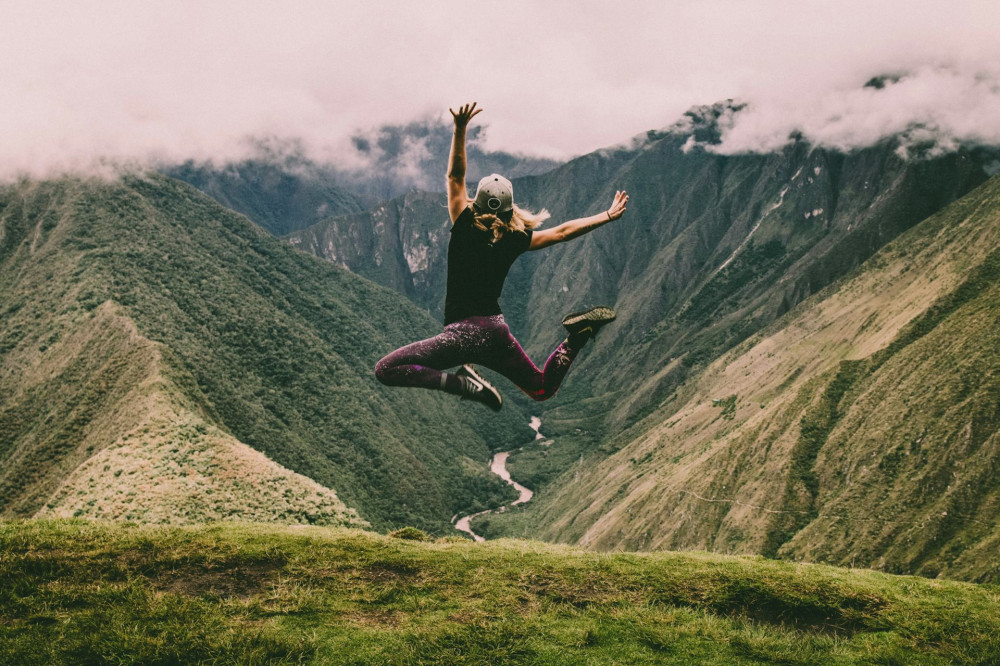
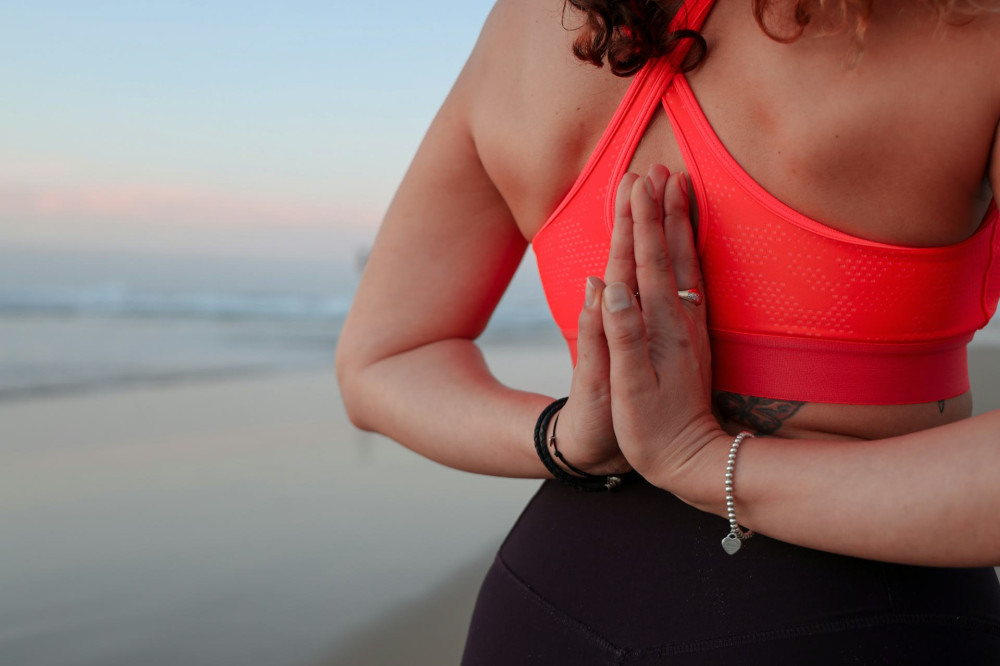
For some, sport becomes a personal sanctuary: a morning run before work, a yoga class after a long day, or a weekend hike in one of Canada’s many parks. For others, it’s a social anchor – joining a recreational hockey league, a running club, or a fitness group that provides both exercise and community.
Many women rediscover sport when their children grow older, often through family-oriented activities or local events like charity runs and community fitness challenges. The focus shifts from competition to connection – with oneself, with others, and with nature.
Midlife – Embracing Change and Strength
In midlife, many women experience physical and hormonal changes that can affect energy levels and motivation. Menopause, shifting metabolism, and new health concerns can make staying active more complex – but also more important than ever.
Exercise in this stage becomes less about performance and more about health, strength, and well-being. Activities like swimming, cycling, pilates, or hiking are popular choices that combine physical challenge with enjoyment. Regular movement helps maintain muscle mass, bone density, and mental resilience, while also easing symptoms like sleep disturbances or mood swings.
For many Canadian women, this is also a time to redefine what sport means – not as a competition, but as a lifelong practice of self-care and empowerment.
Later Life – Movement as Joy and Connection
In the later stages of life, sport and physical activity play a vital role in maintaining independence, health, and happiness. Walking groups, aqua fitness, dance classes, and senior recreation programs are popular across Canada, offering both exercise and social connection.
At this stage, the goal is rarely about records or results. It’s about staying mobile, feeling good, and enjoying the company of others. Research consistently shows that older adults who remain active experience better physical health, improved mood, and a stronger sense of purpose.
For many women, movement becomes a celebration of life – a way to stay connected to their bodies, their communities, and the world around them.
Læs også:


Sport as a Reflection of Life’s Journey
A woman’s relationship with sport mirrors the rhythm of life itself: from play and discovery to balance and renewal. Each stage brings its own challenges and opportunities, but the common thread is that movement can be a source of strength – physically, mentally, and emotionally.
Staying active through life isn’t about holding on to youth, but about embracing change and finding new ways to move that fit who we are now. For many women, sport becomes a quiet but powerful companion – a way to feel alive, confident, and connected at every age.
Læs også: