When Grief Is Shared: The Power of Community in Women’s Healing Process


When Grief Is Shared: The Power of Community in Women’s Healing Process
Grief is one of the most universal human experiences—and yet one of the most isolating. When loss strikes, it can feel as though the world keeps moving while your own has come to a halt. But even in the darkest moments, connection can become a lifeline. For many women, healing begins when grief is shared—when they dare to reach out and let others be part of the journey.
The Many Faces of Grief
Grief takes many forms: the loss of a partner, a child, a parent, a friendship, or even a long-held dream. It can arrive suddenly or unfold slowly over time. Many women, accustomed to caring for others, find it difficult to make space for their own pain. Yet grief needs room—it cannot be fixed, only lived through.
This is where community becomes essential. When women meet others who understand without the need for lengthy explanations, a unique space of recognition and relief emerges. In that shared space, sorrow becomes less heavy, and healing begins to take shape.
Community as a Healing Force
Research in Canada and beyond shows that social connection plays a crucial role in how people recover from loss. Women who participate in support groups, community circles, or peer networks often experience a steadier emotional recovery. It’s not about “moving on,” but about learning to live differently—with the loss as part of one’s story.
Across Canada, grief support groups—whether in local community centres, Indigenous healing circles, or online networks—offer women a place to share their stories and listen to others. In these spaces, grief gains language, and through that language, it loses some of its power.
The Courage to Reach Out
For many, the hardest step is the first one. Grief can feel deeply private, and opening up can seem daunting. But reaching out is not a sign of weakness—it is an act of courage. It might begin with a single conversation, a message to a friend, or attending a local support meeting.
Some women find comfort in structured programs led by counsellors or spiritual leaders, while others prefer informal gatherings—coffee meetups, walking groups, or creative workshops. What unites them is the creation of a safe space where one can simply be, even on the days when sorrow feels overwhelming.
Læs også:

Rituals and Shared Symbols
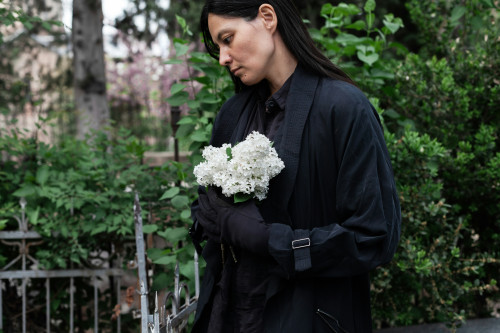
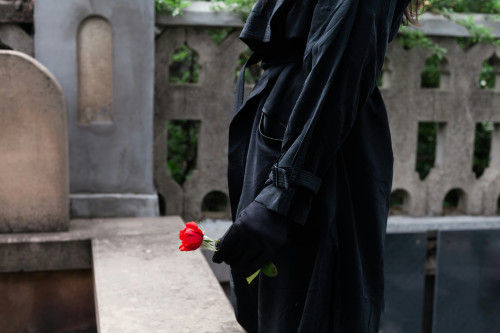
Rituals and symbols often help give shape to grief. Lighting a candle, writing a letter to the person who has passed, or taking part in a memorial walk can all serve as ways to honour both loss and life. When these acts are shared, they become collective expressions of remembrance and love.
In many Canadian communities, new traditions have emerged—planting trees in memory of loved ones, creating art installations, or gathering annually to celebrate lives lost. These shared rituals remind us that love endures, even as life changes.
From Survival to Renewal
Healing is not about forgetting; it’s about finding a new balance. Many women describe how community gradually helps them rediscover joy—not as a replacement for what was lost, but as part of a renewed life story. When grief is shared, hope quietly returns.
Standing together in grief reminds us that we are not meant to carry our burdens alone. In community, sorrow does not disappear, but it becomes lighter to bear. And in that shared strength, many women find their way back—not to the life they had, but to the life that still awaits them.
Læs også: