Strong Bones for Life: How Small Changes Can Strengthen Your Bone Health

Strong Bones for Life: How Small Changes Can Strengthen Your Bone Health
Our bones form the sturdy yet living framework that supports us every day. They protect our organs, store essential minerals like calcium and phosphorus, and allow us to move freely. But even though they feel solid, bones are constantly changing—and they can weaken over time if we don’t take care of them. The good news? Small, consistent changes in daily habits can make a big difference for bone health at any age.
Bones Are Living Tissue
It’s easy to think of bones as hard and unchanging, but they’re actually dynamic, living tissue. Specialized cells continuously break down old bone and build new bone in its place. This balance keeps bones strong and resilient.
During childhood and adolescence, bone mass builds rapidly, reaching its peak around age 30. After that, the goal is to maintain as much bone strength as possible. Diet, physical activity, hormones, and lifestyle choices all play key roles in this process.
Nourish Your Bones from the Inside Out
Nutrition is one of the most powerful tools for maintaining healthy bones. It’s not just about calcium—many nutrients work together to keep your skeleton strong.
- Calcium is the main building block of bone. In Canada, dairy products like milk, yogurt, and cheese are common sources, but you can also get calcium from fortified plant-based beverages, tofu made with calcium sulfate, almonds, and leafy greens such as kale and bok choy.
- Vitamin D helps your body absorb calcium. Because Canadian winters bring limited sunlight, many people need a supplement or fortified foods (like milk or margarine) to maintain healthy levels.
- Protein supports bone structure and muscle strength. Include a mix of animal and plant-based proteins such as fish, poultry, beans, lentils, and nuts.
- Magnesium and Vitamin K help calcium bind properly in the bone. You’ll find them in whole grains, seeds, and green vegetables.
Think of a bone-friendly diet as part of an overall healthy lifestyle—balanced, colourful, and rich in fresh, whole foods.
Move to Build Strength from Within
Exercise is one of the most effective ways to keep bones strong. When you put stress on your bones through movement, it signals your body to build more bone tissue.
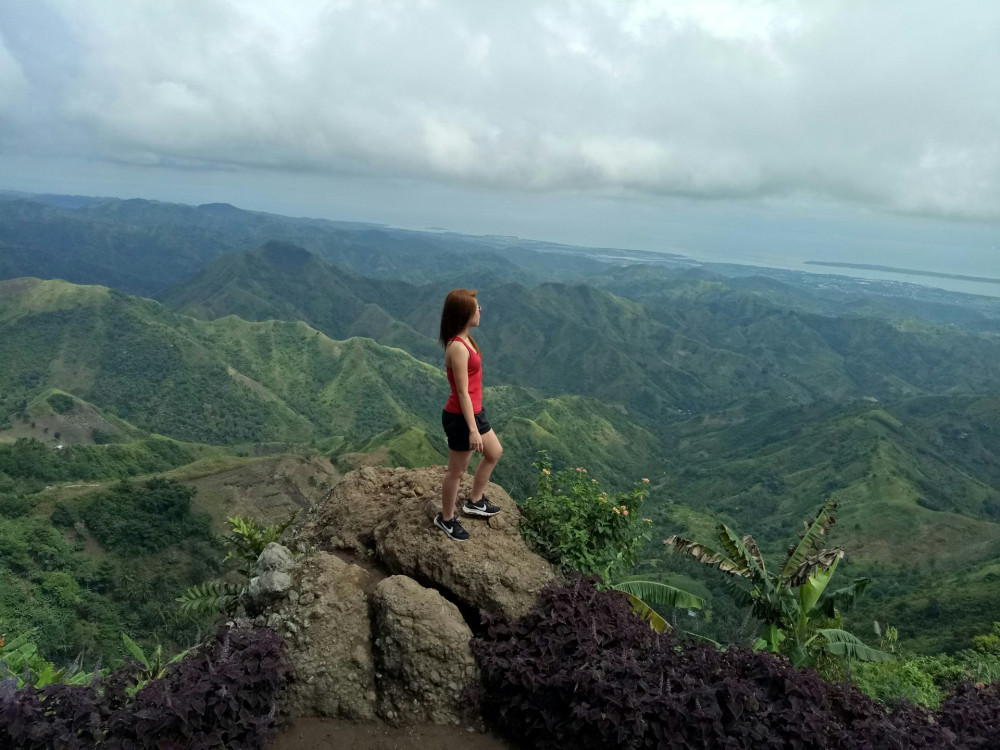
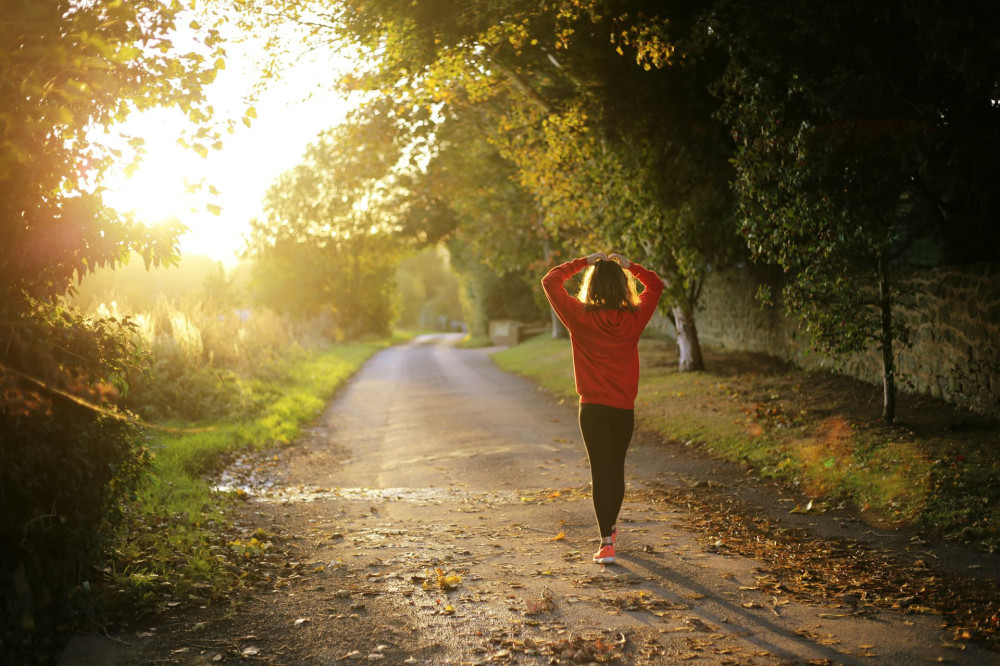
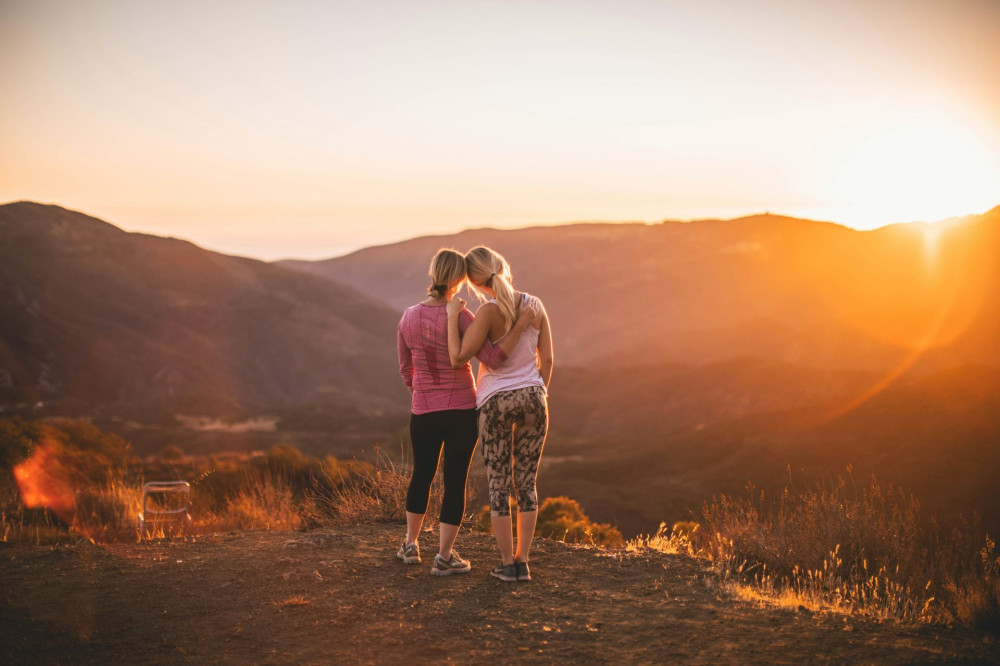
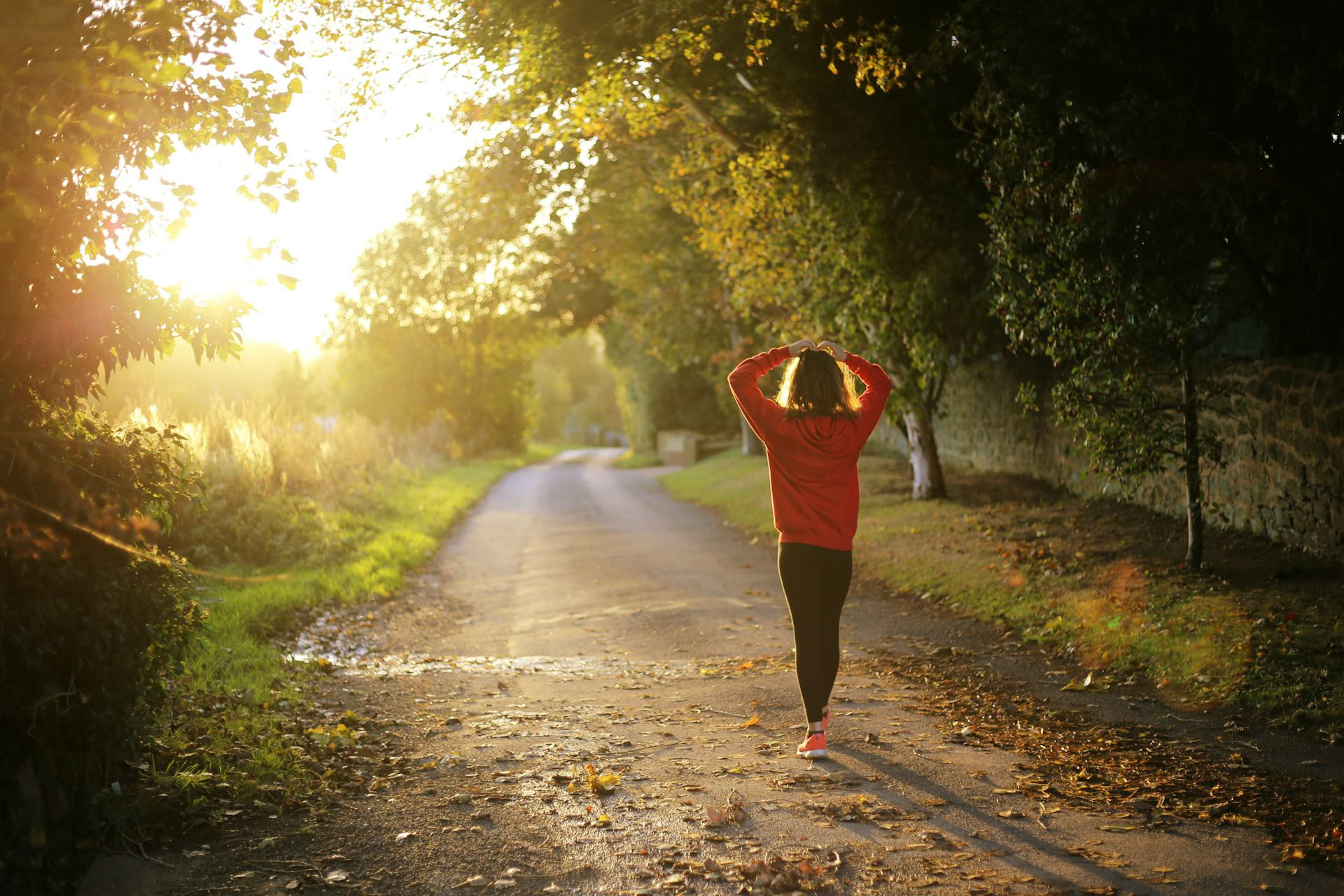
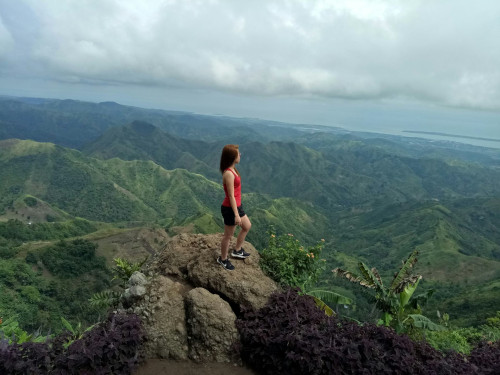
- Weight-bearing activities like walking, hiking, dancing, or stair climbing are especially beneficial.
- Strength training builds muscle, which supports and protects your bones.
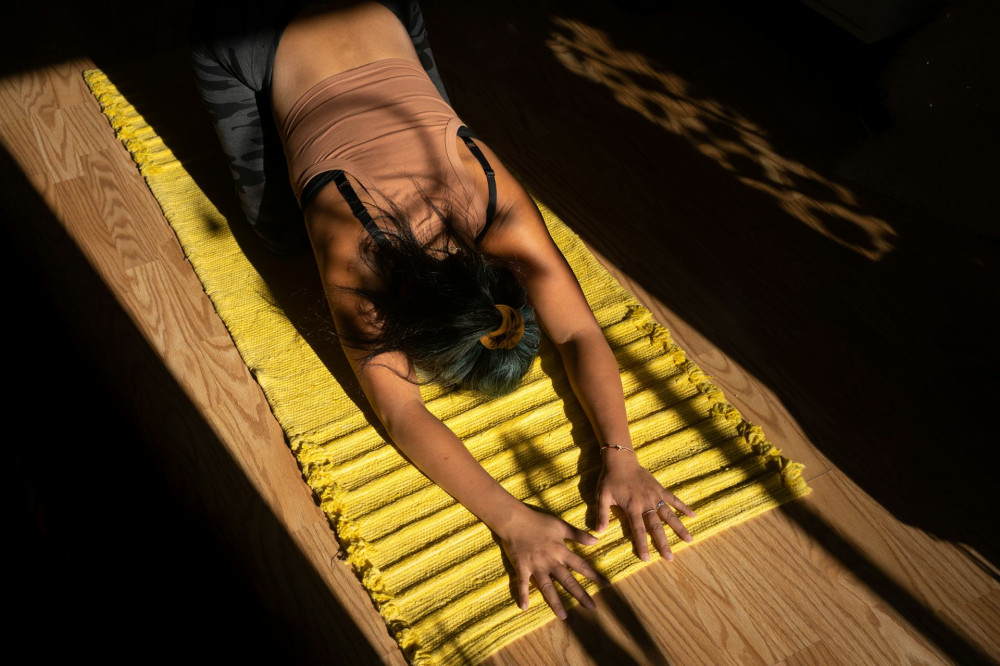
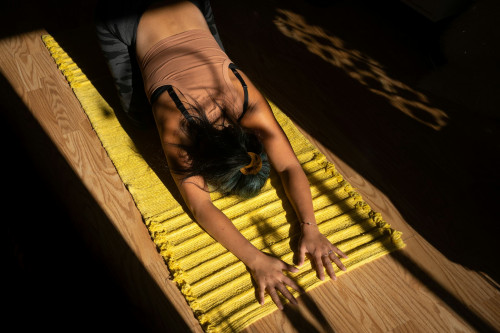
- Balance and flexibility exercises such as yoga or tai chi can help prevent falls, a major cause of fractures in older adults.
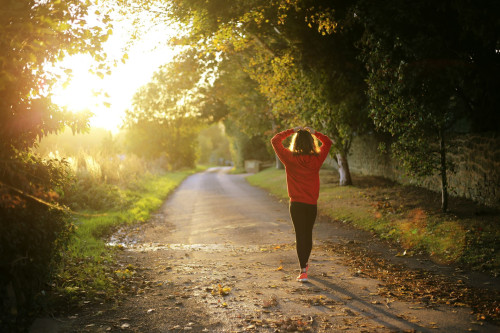
Even small steps count: take the stairs instead of the elevator, go for a brisk walk during lunch, or do a few squats at home. Consistency matters more than intensity.
Lifestyle Habits That Matter
Certain habits can weaken bones over time. Smoking reduces blood flow to bone tissue, and excessive alcohol can interfere with calcium absorption. Very restrictive diets or low calorie intake can also harm bone health by depriving the body of essential nutrients.
Sleep and stress management are often overlooked but important. Chronic stress and poor sleep can disrupt hormones that influence bone renewal. Prioritizing rest and relaxation supports both mental well-being and skeletal strength.
Women’s Bone Health: A Special Focus
After menopause, estrogen levels drop, which accelerates bone loss. This makes women more vulnerable to osteoporosis. Paying attention to diet, exercise, and regular bone density screenings can help reduce risk.
The earlier you start building strong bones, the better. Entering menopause with higher bone density provides a stronger foundation for the years ahead.
Læs også:
Small Steps, Big Impact
Building stronger bones doesn’t require drastic changes. It’s about creating sustainable habits—an extra serving of vegetables, a daily walk, or a few minutes of strength training. Over time, these small actions add up.
Investing in your bone health means investing in your future. Strong bones give you the freedom to move, travel, play with your grandchildren, and live an active, independent life for years to come.
Læs også: