Creative Contrasts: Combine Watercolour with Ink, Pencil, or Pen

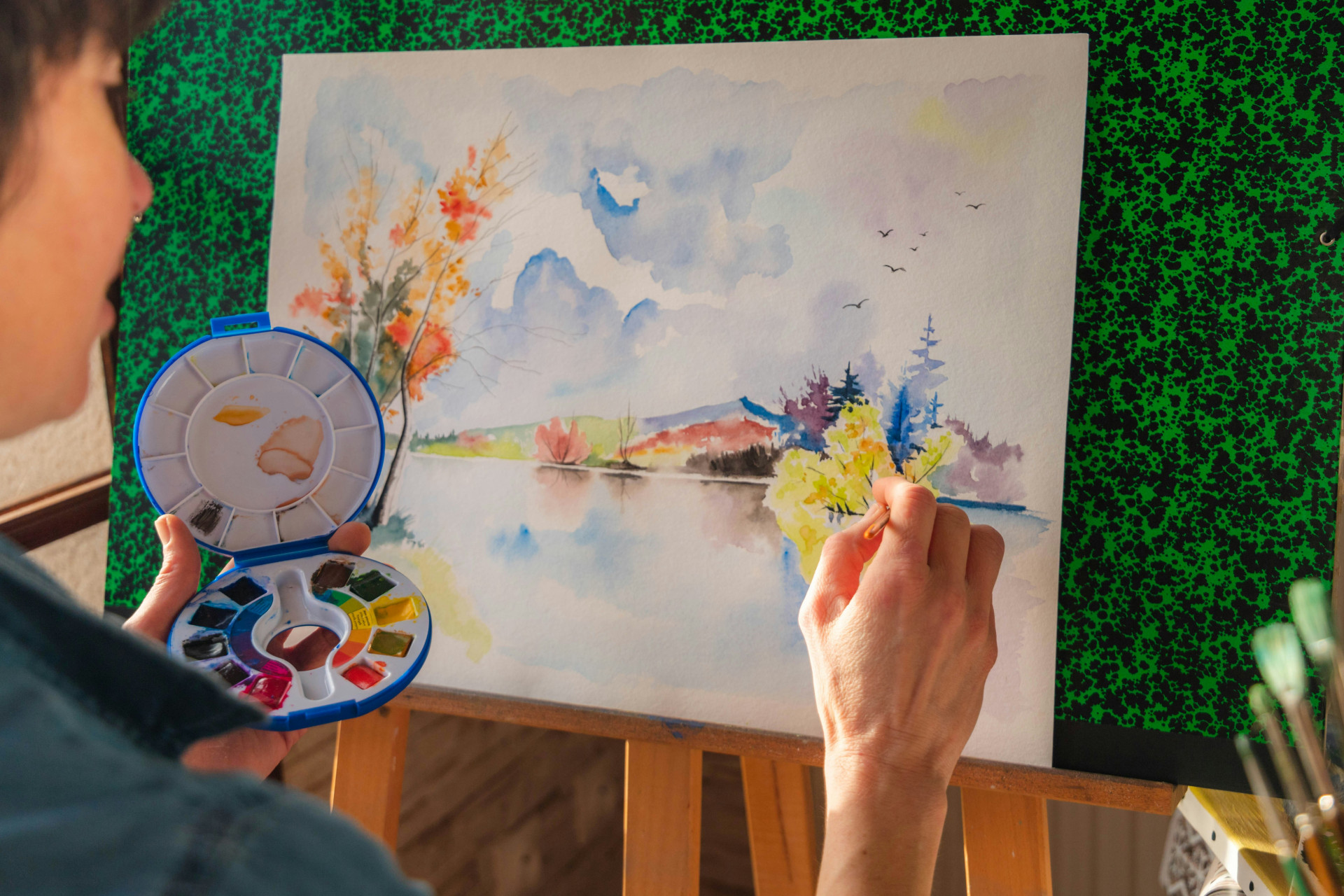
Creative Contrasts: Combine Watercolour with Ink, Pencil, or Pen
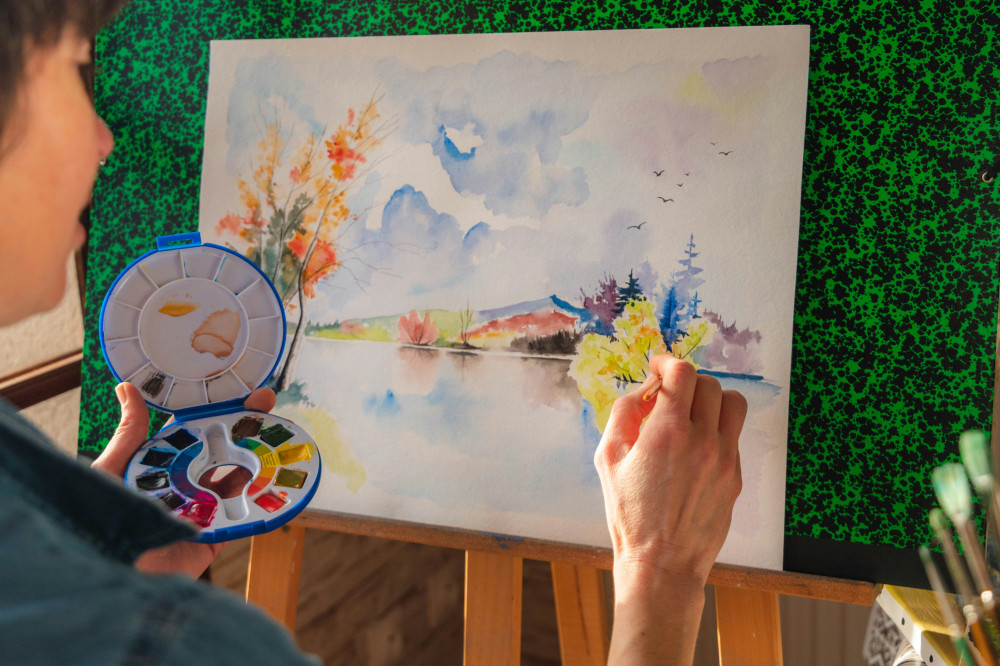
Watercolour is celebrated for its soft transitions, transparency, and luminous quality. But when you pair it with stronger materials like ink, pencil, or pen, you create a striking contrast that adds depth, texture, and personality to your artwork. This blend of media opens up endless creative possibilities—whether you’re a beginner exploring new techniques or an experienced artist looking to expand your style.
Why Combine Media?
Mixing watercolour with other drawing tools is about harnessing their unique strengths. Watercolour provides atmosphere and colour, while ink, pencil, or pen can bring precision, structure, and detail. Together, they create a balance between spontaneity and control—a meeting of the fluid and the defined.
Combining media also encourages experimentation. You can layer, play with wet and dry contrasts, and create pieces that feel both modern and timeless. It’s a great way to develop your artistic voice and discover new textures and effects.
Watercolour and Ink – The Graphic Touch
Ink and watercolour are a classic pairing, often used in illustration and urban sketching. The ink defines shapes and outlines, while the watercolour adds life and vibrancy.
- Start with ink: Sketch your subject using a waterproof ink pen. Once the lines are dry, you can paint over them without smudging.
- Or finish with ink: Paint first, then add ink lines on top to emphasize details. This approach gives a looser, more organic look.
- Experiment with line weight: Use both fine and bold pens to create variation and depth.
This technique works beautifully for everything from botanical illustrations to cityscapes and portraits, offering a clean yet expressive result.
Læs også:

Watercolour and Pencil – A Gentle Harmony
Pencil and watercolour complement each other through their shared softness and subtlety. The pencil adds structure and shading, while the watercolour brings colour and light.
- Sketch lightly first: Use a hard pencil (like H or 2H) so the lines remain delicate.
- Paint over the drawing: The watercolour will slightly dissolve the graphite, creating a natural blend.
- Add finishing touches: Once the paint is dry, use a softer pencil (like 2B or 4B) to enhance shadows and texture.
This combination is ideal for still lifes, landscapes, and portraits where you want a calm, balanced expression.
Watercolour and Pen – Contrast and Character
Pen work can give your watercolours a bold, artistic edge. Where watercolour is fluid and unpredictable, pen lines are crisp and deliberate. Together, they create a dynamic tension.
- Use liquid ink or fine liners: Apply with a pen, brush, or dip pen to achieve different effects.
- Try wet-on-wet: Let the ink flow into wet watercolour for organic, unpredictable patterns.
- Or use pen for contrast: Draw over dry watercolour to define shapes and add striking details.
This pairing is especially effective in abstract or expressive pieces, where movement and contrast take centre stage.
Practical Tips to Get Started
- Choose the right paper: Use high-quality watercolour paper (at least 300 gsm) to handle both water and pressure from pens or pencils.
- Test your materials: Some inks and pens aren’t waterproof—try them out before painting over them.
- Work in layers: Let each layer dry before adding the next if you want more control.
- Embrace imperfection: Mixed media thrives on experimentation—some of the best results come from happy accidents.
Find Your Own Expression
There are no strict rules for combining watercolour with ink, pencil, or pen. It’s about finding the balance that suits your style. Some artists prefer clean, minimalist lines, while others enjoy a raw, experimental approach.
Play, explore, and let the materials guide you. You may discover that the contrast between the fluid and the fixed becomes the heart of your creative expression.
Læs også: