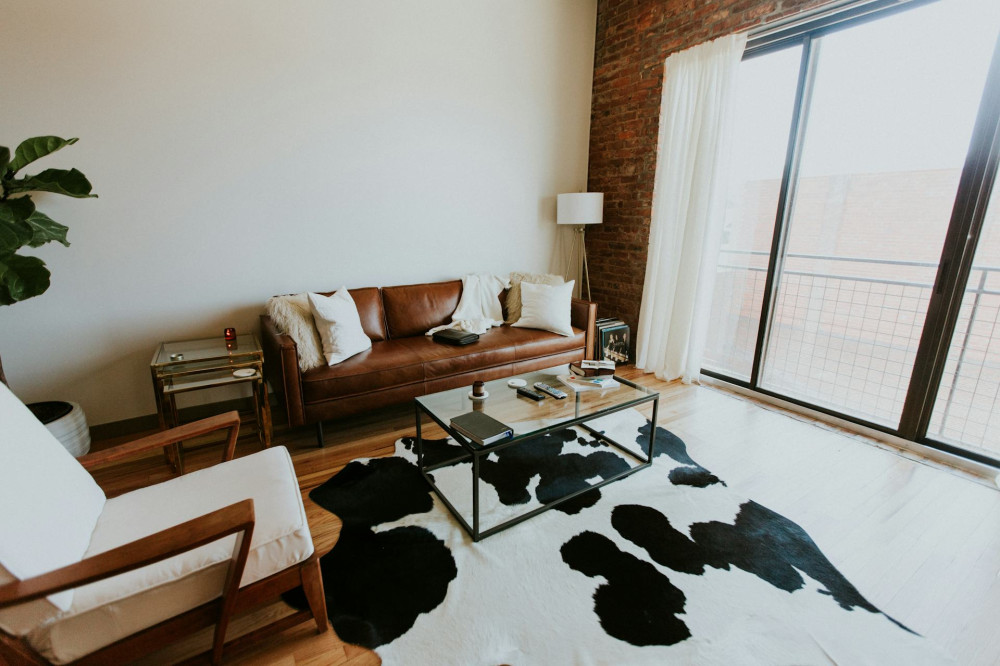
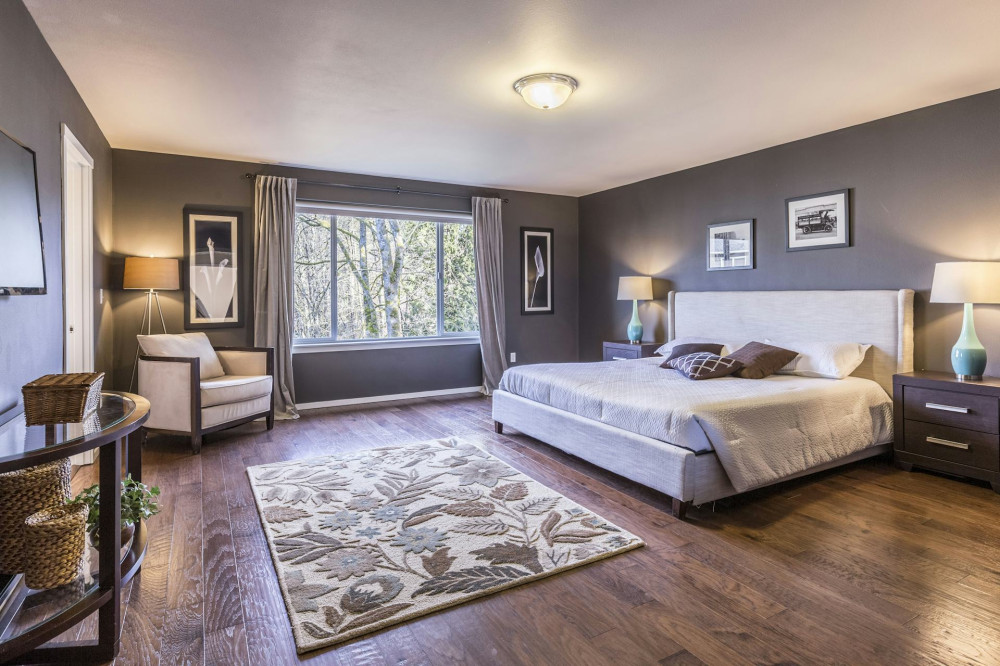
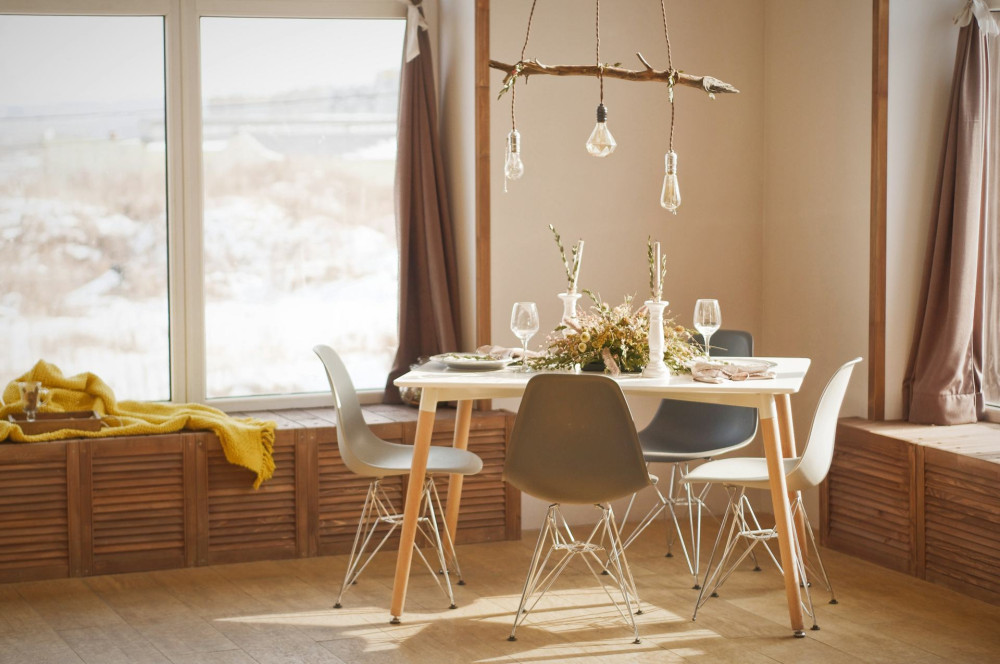
Create Harmonious Transitions in the Open-Concept Space Between Kitchen, Dining Area, and Living Room

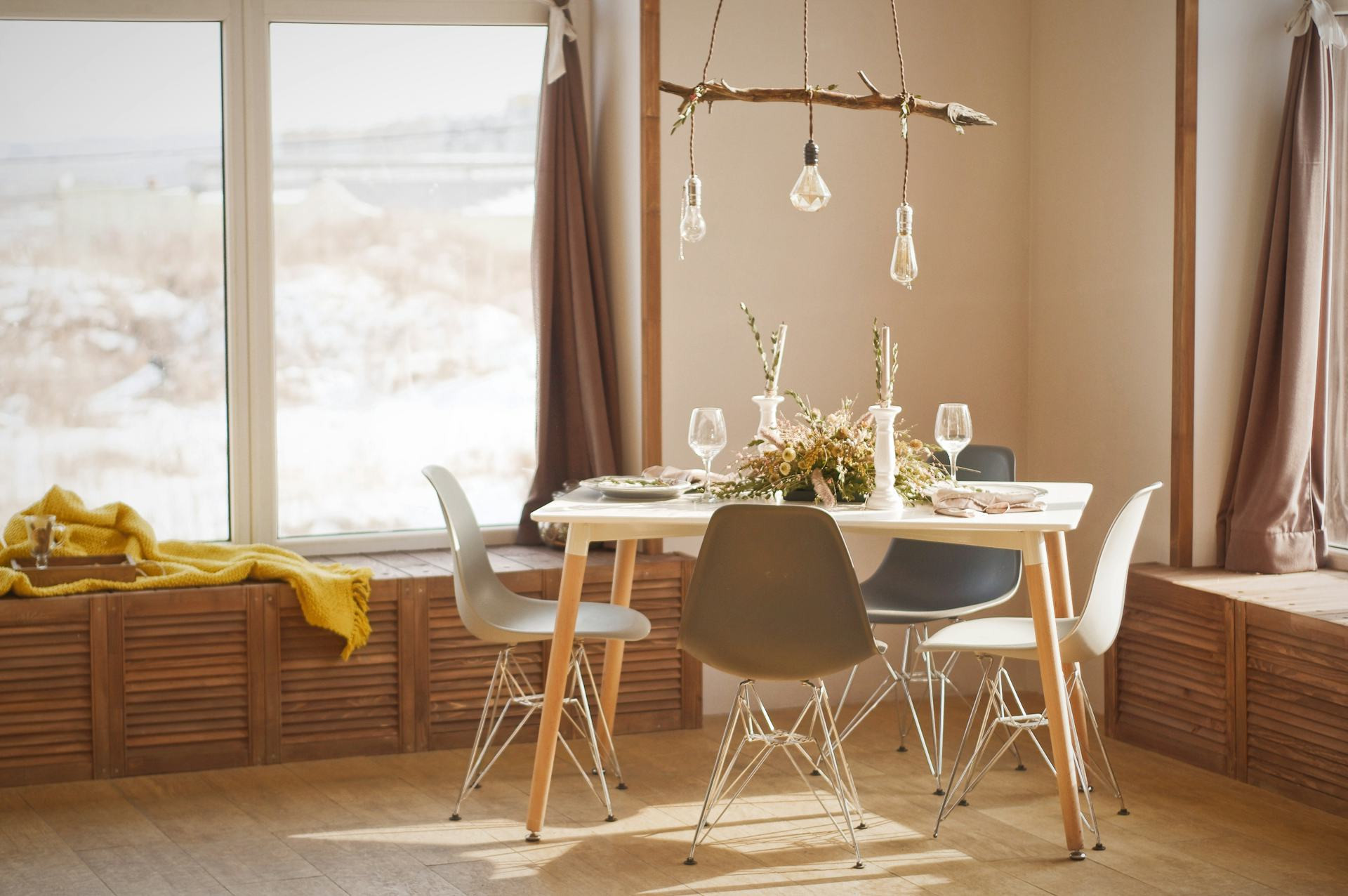
Create Harmonious Transitions in the Open-Concept Space Between Kitchen, Dining Area, and Living Room
Open-concept living has become a hallmark of modern Canadian homes. It brings light, connection, and flexibility — but it also requires thoughtful design to ensure the kitchen, dining area, and living room feel cohesive rather than disconnected. Achieving harmony in these shared spaces is about balance: between function and aesthetics, between unity and variety. Here’s how you can create smooth, inviting transitions in your open-concept home.
Think in Zones, Not Walls
Even in an open layout, each area serves a distinct purpose. Instead of dividing spaces with walls, define zones through subtle design cues:
- Flooring: Using the same flooring throughout creates a seamless look, while mixing materials — such as tile in the kitchen and hardwood in the living area — can add visual interest. A transition strip or area rug can help tie the spaces together.
- Ceiling and Lighting: Changes in ceiling height or lighting style can define zones without interrupting flow. Pendant lights over the dining table and recessed lighting in the kitchen provide both function and atmosphere.
- Furniture Placement: Arrange furniture to naturally suggest boundaries. A kitchen island can bridge cooking and social spaces, while a sofa can subtly mark the start of the living area.
Create a Cohesive Palette of Materials and Colours
To make the open space feel unified, repeat key design elements across zones. Consistency in materials and colours helps the eye move smoothly through the room.
- Colours: Choose a base palette that runs throughout, with slight variations in tone or texture to distinguish each area. Soft neutrals with warm undertones work well in Canadian homes, especially during long winters.
- Materials: Echo wood tones, metals, or fabrics across zones. If your kitchen features maple cabinetry, consider a dining table or shelving in a similar finish.
- Details: Coordinated hardware, lighting fixtures, or artwork can subtly reinforce the sense of connection.
Light as a Mood Maker
Lighting is one of the most powerful tools for creating harmony in open spaces. Consider both natural and artificial light.
- Maximize Natural Light: Keep window treatments light and airy to let daylight flow freely. Reflective surfaces and pale wall colours can help brighten the space, especially in northern climates.
- Layered Lighting: Combine ambient, task, and accent lighting. This allows you to adjust the mood — from bright and functional during meal prep to soft and cozy for evening relaxation.
- Consistent Fixtures: Choose lighting fixtures that share a common design language, even if their shapes or functions differ.
Comfort and Acoustics in Open Spaces
Open layouts can sometimes feel echoey or noisy. Thoughtful acoustic design enhances comfort and livability.
- Textiles: Area rugs, curtains, and upholstered furniture absorb sound and add warmth.
- Acoustic Panels: Wood slats or fabric-covered panels can double as decorative features while improving sound quality.
- Plants: Greenery not only softens acoustics but also brings life and freshness to the space — a welcome touch during Canadian winters.
Læs også:
Make the Transition an Experience
Instead of hiding transitions, celebrate them. A statement bookshelf, a feature wall, or a striking light fixture can serve as a visual anchor that unites the zones.
Think about how you move through the space — from kitchen to dining table to sofa. A natural flow line makes the layout intuitive and welcoming, encouraging conversation and connection.
Personality and Balance
While cohesion is key, each zone should still have its own character. Small differences in texture, colour, or mood give depth and personality. The goal is balance — a sense of unity without uniformity.
When you design with transitions in mind, you create more than just a beautiful home. You craft a space that feels natural to live in — where cooking, dining, and relaxing blend effortlessly into the rhythm of everyday life.
Læs også: