After Cosmetic Treatment: Care That Promotes Healing and Maintains Beautiful Results

After Cosmetic Treatment: Care That Promotes Healing and Maintains Beautiful Results
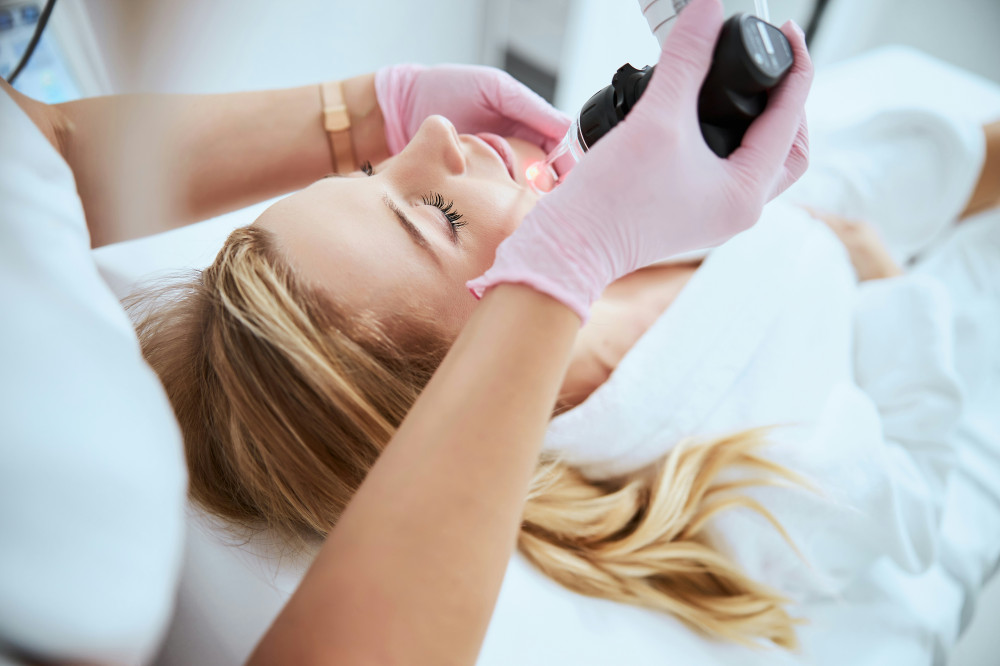
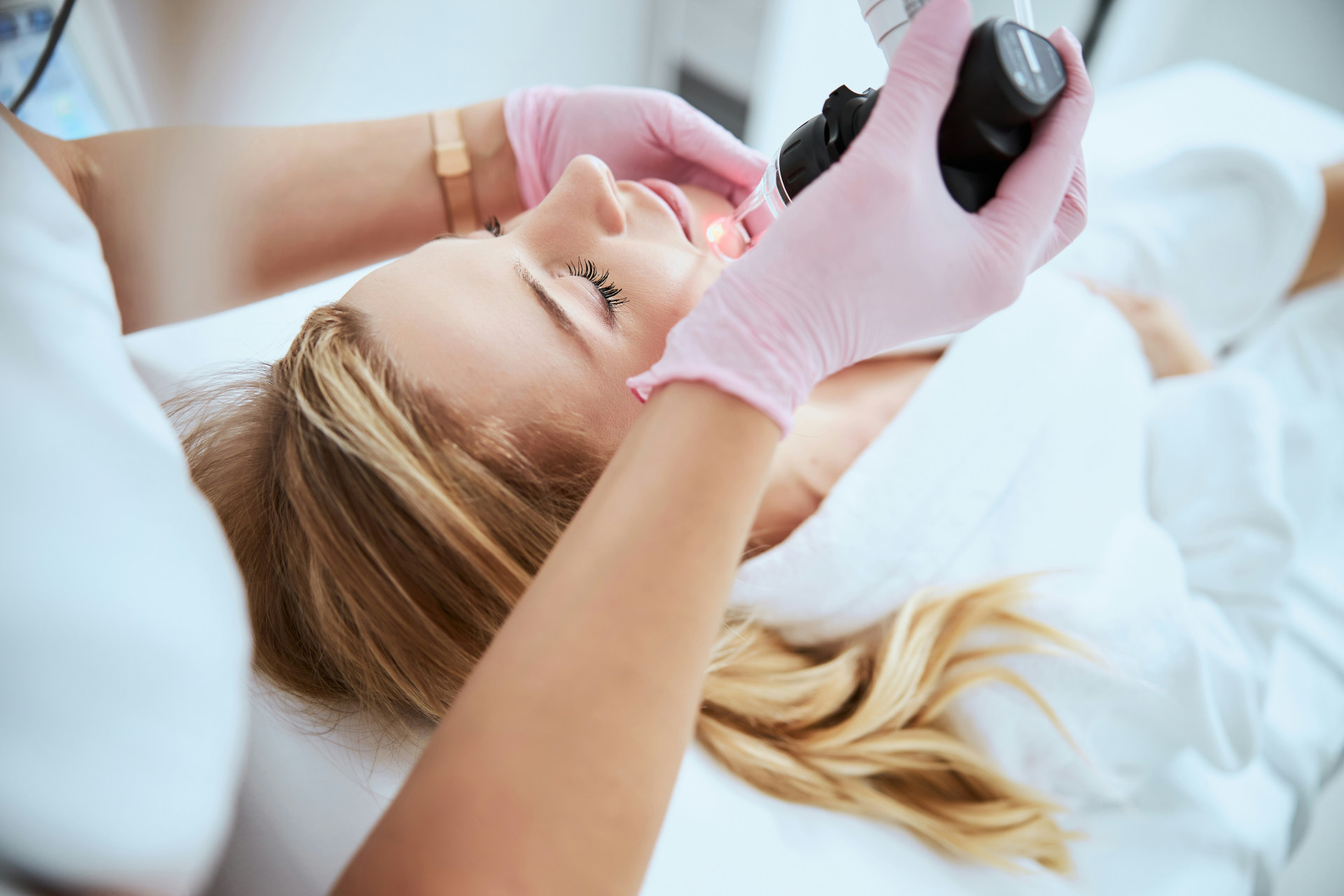
A cosmetic treatment—whether it’s fillers, Botox, laser therapy, or surgery—is an investment in both appearance and confidence. But the outcome depends on more than the procedure itself. The care you give your skin afterward plays a crucial role in how well it heals and how long the results last. Here’s a guide to post-treatment care designed for readers in Canada, helping you support recovery and maintain a natural, radiant look.
The First Hours: Protect and Avoid Touching the Skin
After a treatment, your skin may feel tender, warm, or slightly swollen. This is a normal response, and your body needs time to recover.
- Avoid touching or massaging the treated area unless your practitioner has specifically advised it.
- Keep the skin clean, but skip makeup and harsh cleansers for the first few hours. If needed, use a gentle, fragrance-free cleanser.
- Soothe with a cool compress—a clean, cold cloth or an ice pack wrapped in a thin towel can help reduce swelling.
During the first 24 hours, focus on protecting your skin and avoiding irritation. That means skipping workouts, saunas, and alcohol, as heat and increased circulation can worsen swelling.
The First Few Days: Focus on Hydration and Protection
Once the initial reaction subsides, your skin begins to rebuild itself. Support this process with the right products and habits.
- Use a gentle moisturizer free of fragrance and alcohol to maintain the skin’s barrier.
- Avoid sun exposure—UV rays can cause pigmentation changes and slow healing. Even in Canada’s cooler months or on cloudy days, apply a broad-spectrum sunscreen with SPF 30 or higher.
- Keep your skincare simple—avoid exfoliants, scrubs, and active ingredients like retinol or acids until your skin has fully healed.
If you notice mild bruising or swelling, arnica cream or a cooling gel can help. Most reactions fade within a few days, though healing time varies depending on the treatment and your skin type.
The First Week: Give Your Body Time to Work
Even if your skin looks normal again, healing continues beneath the surface. Your body is stabilizing tissues and adjusting to the changes from your treatment.
- Stay hydrated—drinking plenty of water helps flush out toxins and keeps your skin supple.
- Eat nutrient-rich foods—focus on those high in vitamin C, zinc, and healthy fats to support skin repair.
- Sleep with your head slightly elevated if you’ve had a facial treatment, to help reduce swelling.
Try not to schedule major social events right after your procedure. Giving yourself time to heal will pay off in the long run.
Long-Term Care: Maintaining Your Results
Once your skin has healed, maintaining your results becomes the priority. A consistent skincare routine and healthy lifestyle can significantly extend the effects of your treatment.
- Use sunscreen daily—sun exposure is one of the main causes of premature aging and skin damage.
- Keep your skin hydrated—look for products with hyaluronic acid, ceramides, and antioxidants.
- Follow your practitioner’s recommendations—some treatments require maintenance sessions to preserve results.
- Avoid smoking—nicotine restricts blood flow and can slow the skin’s natural healing process.
Combining professional treatments with mindful daily care ensures your results look natural, balanced, and long-lasting.
Læs også:
When to Contact Your Practitioner
Mild redness, swelling, and tenderness are normal, but if you experience severe pain, fever, discoloration, or signs of infection, contact your practitioner or healthcare provider right away. It’s always better to check in early if something doesn’t feel right.
A reputable practitioner will provide clear aftercare instructions—follow them closely. They’re an essential part of achieving a safe and beautiful outcome.
Beautiful Results Begin with Good Care
Cosmetic treatments can enhance both your appearance and confidence, but the best results come when you take an active role in your recovery. By giving your skin rest, hydration, and protection—and by following professional advice—you help your body heal naturally and beautifully.
A stunning result isn’t just about what happens in the clinic; it’s also about how you care for yourself afterward.
Læs også: