A Stress-Free Wedding Day: How to Create a Realistic Timeline


A Stress-Free Wedding Day: How to Create a Realistic Timeline
Your wedding day is one of the most memorable moments of your life – but it can also be one of the most hectic. A well-thought-out timeline is the secret to keeping things calm, organized, and enjoyable. A realistic schedule allows you to savour the big moments while leaving room for the small, quiet ones that make the day truly special. Here’s how to plan your day so it flows smoothly from start to finish.
Start with the Heart of the Day: The Ceremony
The ceremony is the anchor of your wedding day, and everything else revolves around it. Begin by deciding when and where you’ll exchange vows – whether it’s in a church, at city hall, or outdoors at a scenic Canadian venue – and build your schedule around that time.
In Canada, many ceremonies start between 1:00 and 3:00 p.m., but this can vary depending on the season and location. If you’re planning a later ceremony, remember that your reception and dinner will shift accordingly. Don’t forget to factor in travel time between venues, especially if you’re moving from a ceremony site to a reception hall or countryside venue.
Give Yourself Plenty of Time in the Morning
It’s easy to underestimate how long the morning preparations take. Hair, makeup, getting dressed, photos, and last-minute details can fill several hours. Start earlier than you think you need to – it’s far better to have extra time than to feel rushed.
A good rule of thumb is to include a 30–45 minute buffer between major activities. That way, if something takes longer than expected, you won’t fall behind.
- Bride’s preparation: 3–4 hours (including hair, makeup, and dressing)
- Groom’s preparation: 1–2 hours
- Pre-ceremony photos or “first look”: 30–60 minutes
Læs også:


Plan for Travel and Breaks
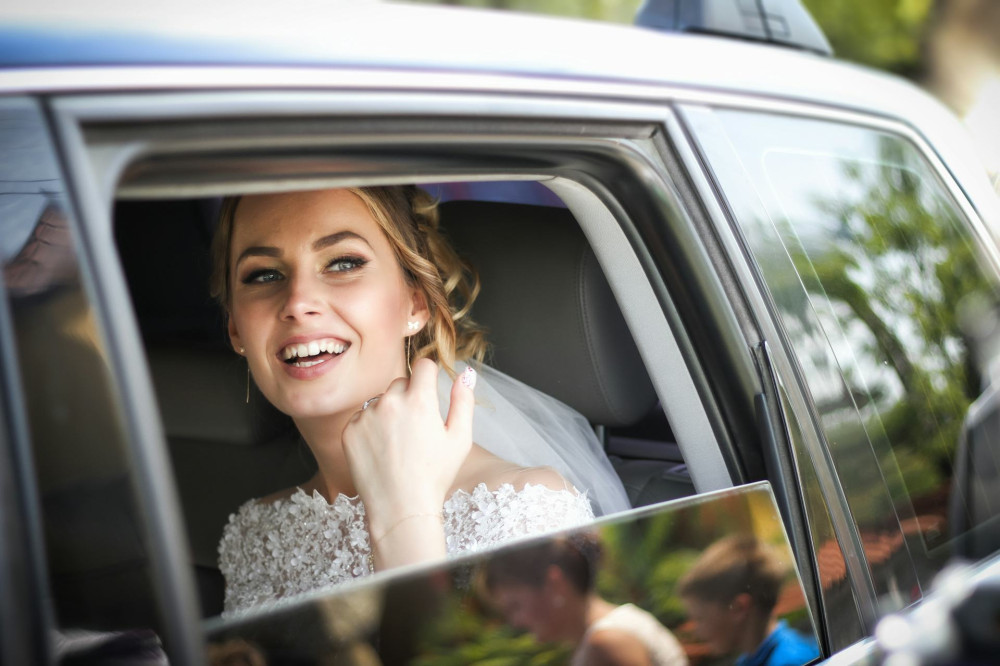
Transportation can be one of the biggest time drains on a wedding day. Check routes in advance, consider traffic (especially in busy city centres like Toronto or Vancouver), and plan for parking or shuttle arrangements if needed. If you’ve booked a special vehicle, such as a vintage car or limo, confirm exact pickup and drop-off times with the driver.
Don’t forget to schedule short breaks. A few minutes to breathe, grab a snack, or share a quiet moment together after the ceremony can make a world of difference in how relaxed you feel for the rest of the day.
Reception, Dinner, and Dancing – Finding the Right Flow
After the ceremony, most couples host a cocktail hour or reception with drinks, appetizers, and congratulations from guests. Allow enough time for this part of the day so you don’t feel rushed – typically 1.5 to 2 hours works well.
Dinner should begin while guests are still energized but not overly hungry. If your ceremony is at 2:00 p.m., starting dinner around 6:00 p.m. is ideal. Coordinate with your caterer and emcee to ensure that speeches, toasts, and courses flow naturally.
A sample evening timeline might look like this:
- 6:00 p.m.: Guests are seated for dinner
- 6:15–9:30 p.m.: Dinner, speeches, and entertainment
- 9:30 p.m.: Cake cutting and coffee
- 10:00 p.m.: First dance
- 10:30 p.m. and onward: Open dance floor and celebration
Of course, you can adjust this to fit your style – the key is to keep the schedule flexible enough to feel natural, not rigid.
Involve Your Key People
Your emcee or master of ceremonies plays a crucial role in keeping the evening on track. Provide them with a detailed timeline, but also give them the freedom to adapt as needed. A relaxed flow feels much better than a minute-by-minute script.
It’s also wise to assign one or two trusted friends or family members to handle practical matters – coordinating with vendors, managing transportation, or answering guest questions. This allows you to focus on what truly matters: enjoying your day.
Don’t Forget Yourselves
It’s tempting to fill every moment with activity, but the best weddings often have space for stillness. Plan small moments for just the two of you – a quiet walk after the ceremony, a private toast before the reception, or a few minutes alone before the first dance.
Think, too, about how you want to end the night. Will you dance until the lights come up, or slip away early for a peaceful ending? A realistic timeline isn’t just about logistics – it’s about creating a day that feels like you.
A Day That Reflects You
There’s no single “right” wedding timeline – only the one that fits your personalities and priorities. Whether you’re hosting a rustic barn celebration in the Prairies, a chic city soirée, or a cozy winter wedding in the Rockies, thoughtful planning will help everything run smoothly.
A good timeline isn’t a strict schedule; it’s a framework that gives you freedom. When you’ve planned with care and left room for the unexpected, you can relax, be present, and let your wedding day unfold exactly as it should.
Læs også: